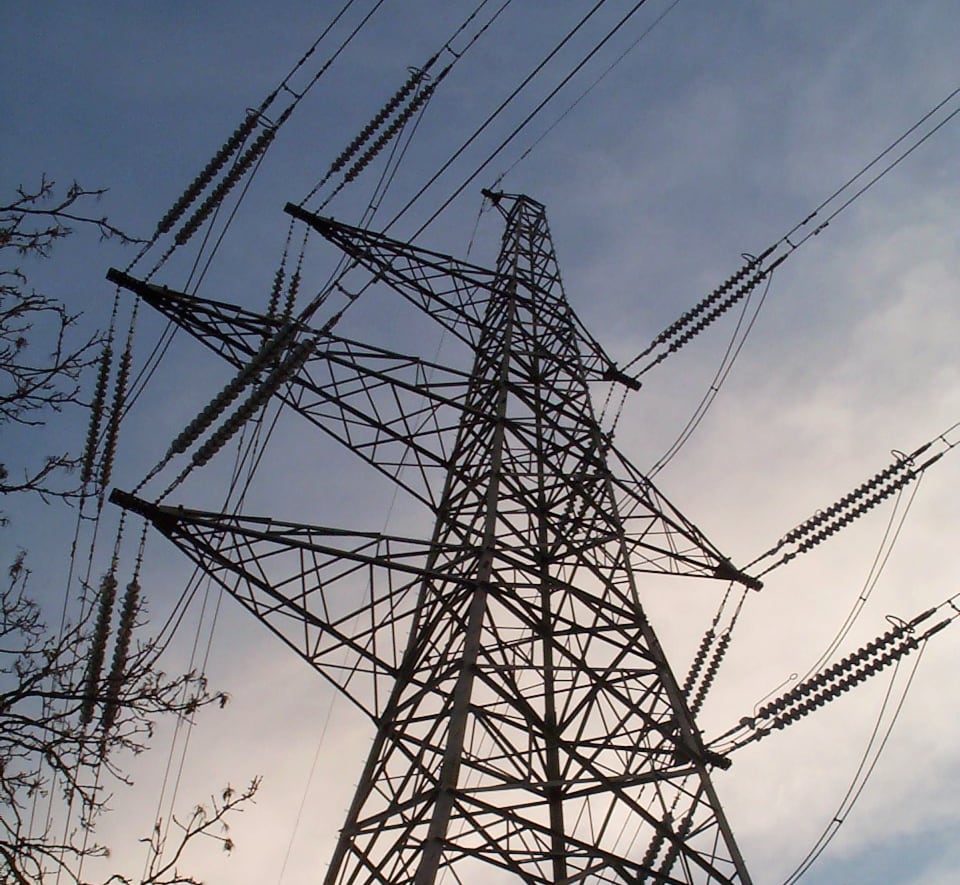
Like the rest of the world, you must be aware of the conflict in Iran, and like me, check the news each day with a degree of concern. It’s a demonstration of power, or rather a conflict between powers, ironically about the control of power in the form of energy: nuclear and oil. During Lent, BBC Radio 4 broadcast a series of essays on power, reminding me that, like Iran, Easter also describes a conflict of power. On the one hand, the Sanhedrin, Rome and the mob; on the other, Jesus Christ. The pattern of Holy Week is astonishing. On Palm Sunday Jesus rode through Jerusalem’s gate in triumph, and celebrating crowds shouted “Hosannah”. Just five days later he was condemned and crucified, after the crowd shouted “crucify him, crucify him”. How is power revealed in this story?
The raising of Lazarus was the beginning of the end. We know little about Lazarus but it seems his family was prominent, with a wide social circle. Many people came from Jerusalem to mourn him when he died, and his restoration to life was witnessed by a large crowd. News of the miracle spread like wildfire, the popularity of Jesus grew and Jewish rulers felt threatened. From the Gospel of John:
The Pharisees therefore said among themselves, Perceive ye how ye prevail nothing? behold, the world is gone after him. (John 12:19)
Then gathered the chief priests and the Pharisees a council, and said, What do we? for this man doeth many miracles.
If we let him thus alone, all men will believe on him: and the Romans shall come and take away both our place and nation . . .
. . . Then from that day forth they took counsel together for to put him to death. (John 11:47,48,53)
Despite the plotting of the state and the acquiescence of Rome, Jesus was always in charge. He was in control, he was their master. And His power was different! In Gethsemane, He said to Peter:
Then said Jesus unto him, Put up again thy sword into his place . . .
. . .Thinkest thou that I cannot now pray to my Father, and he shall presently give me more than twelve legions of angels? (Matthew 26:52-53)
Twelve legions is over 72,000 men, a massive force sufficient to destroy the Jewish leaders and even overturn the Roman occupation. The comment was to help Peter understand the relative powers involved. Actually, a single angel sent from God could annihilate an entire Roman army; but even a single angel was unnecessary. Had Peter forgotten who Jesus was — the Lord of the Universe, creator of worlds without number, including this one and everything in it. At a gesture, Jesus could obliterate the small force that faced him. But He chose not to, neither did He call for angels. He permitted his enemies to capture him, then take him to Caiaphas for an illegal trial, thus fulfilling prophecy and eventually leading, as He knew it would, to death on a cross. The events of that first Easter weekend did not take Jesus by surprise. He wasn’t caught off-guard. He knew precisely what was going to happen when he rode a donkey into Jerusalem. He deliberately walked forward into the unimaginable hell of an infinite atonement, enduring agonies beyond mortal comprehension. The pain of His sacrificial prayer in the garden continued on the cross, a spiritual suffering far beyond the physical torture of crucification. Sixteen hours after he entered Gethsemane, He was finally able to say “it is finished” and submit himself to the welcome relief of death.
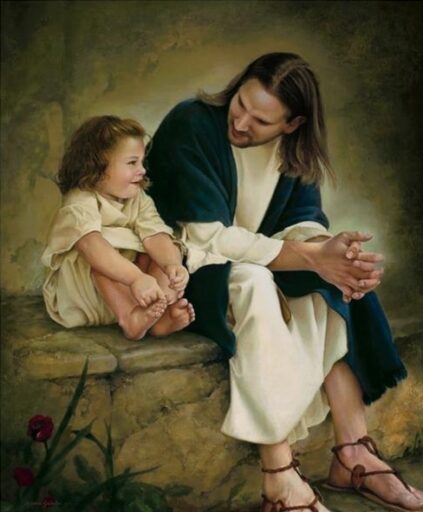
And he did all this because of his love for you and me, and his Father. As Martin Luther King stated:
“Power without love is reckless and abusive, and love without power is sentimental and anaemic. Power at its best is love implementing the demands of justice, and justice at its best is power correcting everything that stands against love.”
― Martin Luther King Jr.
At no point was he powerless. At no point did His enemies overcome Him, although they may have thought they had. Then, after death, His greatest act of power — He returned to life in a glorious resurrection. He’d already demonstrated power over death with Lazarus, but that merely foreshadowed His own triumphal resurrection, which gives power over death to all mankind, including you and me. A demonstration of infinite power with love by our magnificent Redeemer.